The forecast is public information. Every phone on earth carries it, every morning announces it — which makes the soaked man running for cover not a victim of weather but a volunteer. The umbrella is the smallest piece of equipment in a wardrobe and the loudest statement about how its owner meets a known future. The club carries one from October to April without exception, and the doctrine is short: one umbrella, always the same place, never an excuse.
The One Umbrella Rule
Not a collection — a single instrument, and it lives at the door, the same spot every day, the way keys do. The umbrella that has to be remembered is the umbrella that gets left; the one that lives where the hand already reaches never is. The ten-dollar emergency umbrella bought at the pharmacy during a downpour is a rental, not ownership — it lasts one storm, its ribs die by the second, and its owner is surprised by every forecast. The man with the door-side umbrella is dry before the first drop lands. The difference between the two is [the same preparation arithmetic](/the-first-frost-switching-the-wardrobe-without-losing-the-edge/) that runs the whole cold season.
What a Real One Is
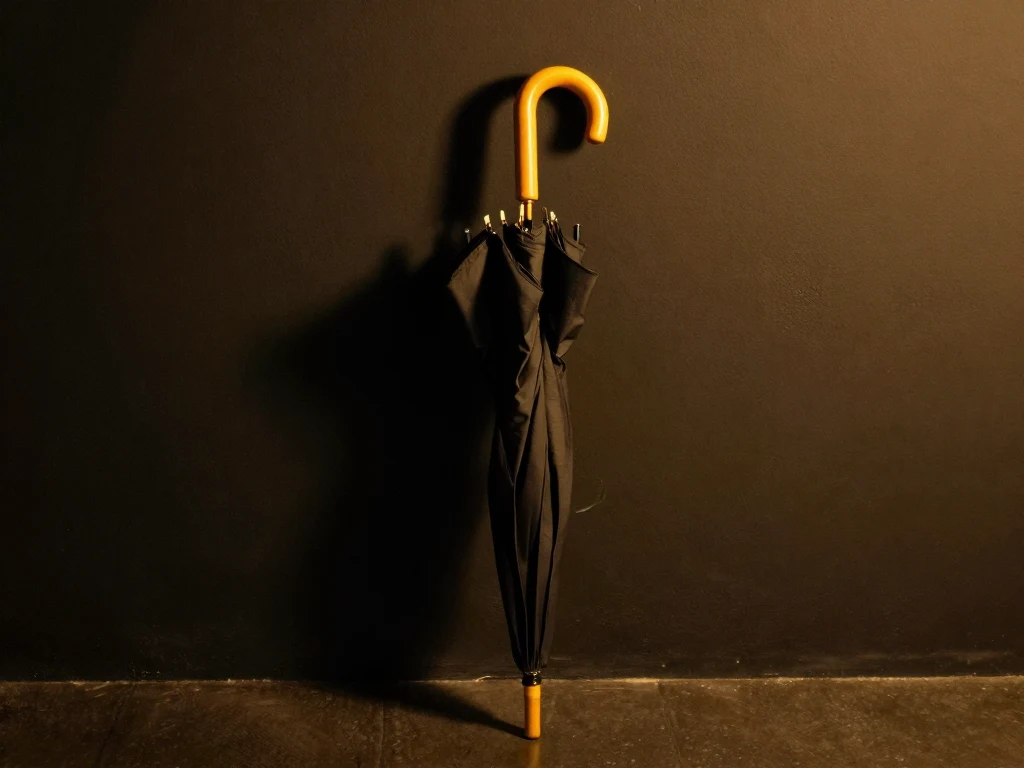
Full length, or nothing. The pocket telescopic survives by being disposable. A real umbrella has a hardwood handle that takes a grip, a steel frame with a spring that still opens in a headwind after five seasons, and a canopy of tightly woven fabric that sheds rather than absorbs. Plain colors only — black, navy, dark green — because the umbrella is a silhouette, not a message. Buy once: a proper one outlives a dozen drugstore rentals and costs less than all of them together. [The same buy-once doctrine](/do-you-speak-cashmere-here-is-how-to-spot-real-from-fake/) that governs fiber governs frames.
The Street Code
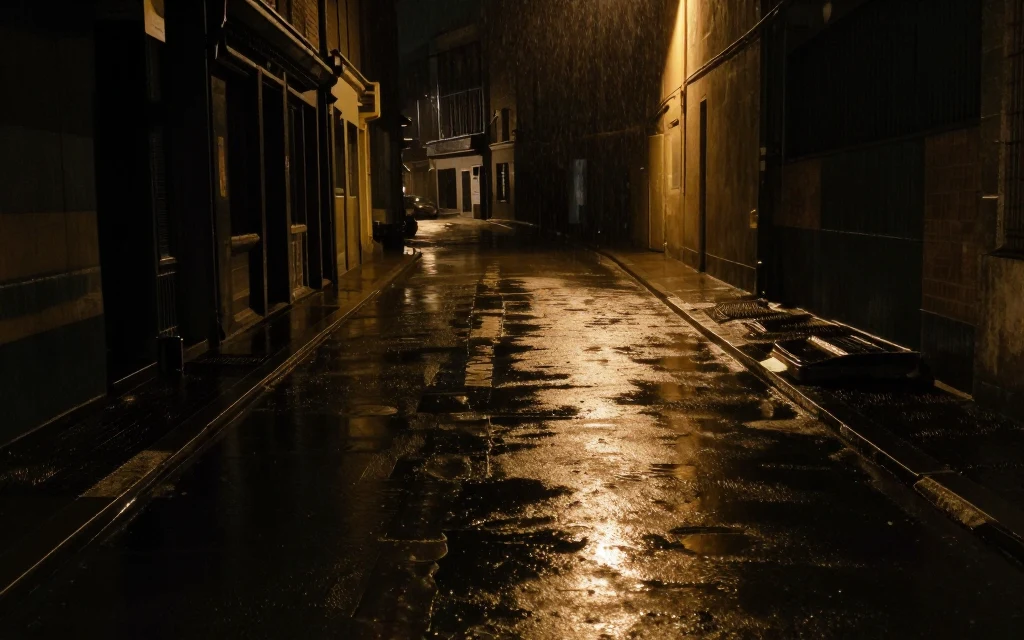
An umbrella is a piece of public behavior, and the code is strict. Narrow sidewalks: the umbrella tilts and closes — the sidewalk belongs to whoever is walking toward you, not to your canopy. Crowds: raise it higher, never at eye level; a wet rib across a stranger's face is a debt that compounds. Doorways and transit: close it before entering, shake it twice outside, and carry it pointed down — never swinging. The man whose umbrella annoys nobody is carrying a small invisible credential that [never announces itself](/the-art-of-the-quiet-flex-why-real-money-stops-explaining/).
The Dry Rule
The umbrella dries open. Ten seconds of shaking, then open in the hallway or the shower rail until the fabric is dry — a closed wet canopy is a mold factory with a handle, and it smells like one within a week. Once dry, it returns to the door. That is the entire maintenance program: two minutes of patience per rain, for a lifetime of dry arrivals. The men who skip it buy their umbrella annually; the men who keep it buy one per decade.
The forecast is public. Being caught out still is not.
Club proverb