The first frost is a test most men fail in October linen. The temperature drops, the calendar turns, and their closet drifts into winter by accident — one gray sweater here, one forgotten coat there, a wardrobe that compromises instead of deciding. The club does not drift. The switch happens once, on purpose, in a single weekend — and it is an operation, not a shopping trip. You already own most of the artillery; [the cashmere you learned to read](/do-you-speak-cashmere-here-is-how-to-spot-real-from-fake/) is about to earn its price.
The Switch, Done Once
One weekend, one system. Everything warm-weather leaves the active closet: washed, folded, boxed, sealed. Not "moved to the back" — boxed, because a wardrobe that mixes seasons is a wardrobe that negotiates with itself every morning at six. What remains is the winter roster, and it should be short enough to see in one glance. Fewer choices, faster mornings, no wrong answers. The man who spends ten minutes choosing loses the quiet hour that [the club guards before the city wakes](/the-quiet-hours-what-the-club-does-before-the-city-wakes/).
Layering Without the Bulge
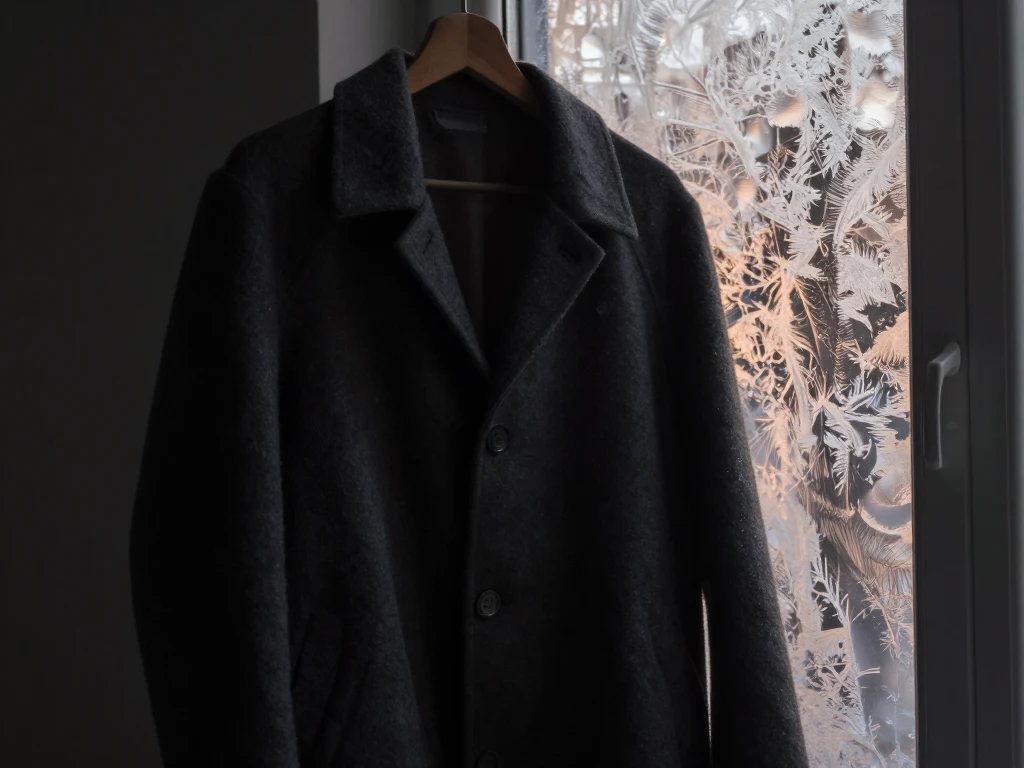
The amateur answer to cold is thickness. The operator's answer is layers — three of them, each doing one job. The base: thin merino, close to the body, moving sweat out. The middle: knit — this is where the real fiber works, warm on contact, dead quiet under a jacket. The shell: the coat, and it should be the hardest-wearing thing you own; if yours is already nine years old, [the patch-and-care doctrine](/bad-boys-patch-perfect-jacket/) applies — repaired classics beat new costumes every winter. Thickness makes you look like luggage. Layers make you look like the temperature was anticipated.
The Palette Darkens
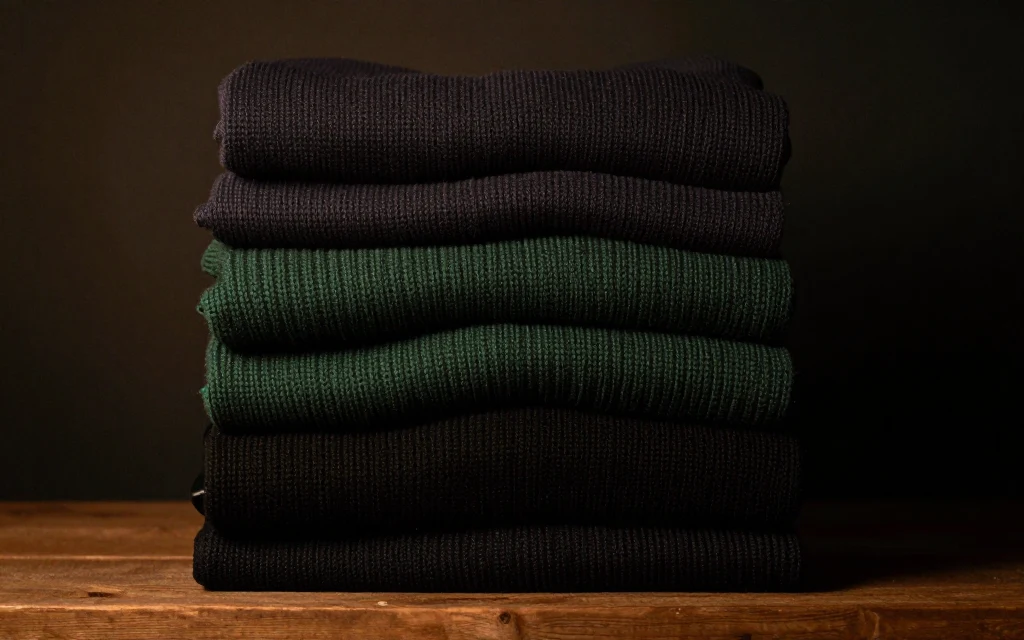
Winter is not the season for the colors you wore on a boat. Light linen tones, washed by sun, read as neglect under gray skies. The cold-weather palette is coal, navy, forest green, camel, charcoal — colors that hold their dignity in rain and short daylight. This is also the cheapest upgrade in the operation: nothing new is bought, the dark pieces simply rotate forward. The effect is [the quiet flex](/the-art-of-the-quiet-flex-why-real-money-stops-explaining/) applied to a whole season — visible to people who know, invisible to people who shout.
Shoes Meet the Weather
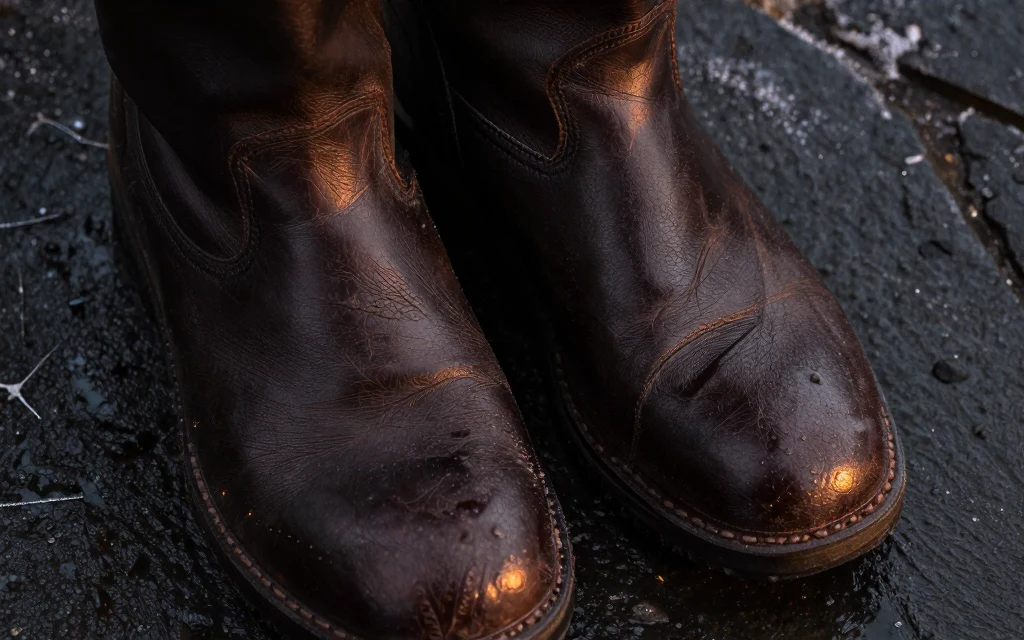
Summer shoes die quietly in November. The winter rotation is leather boots with real soles — not sneakers with wet socks behind them. Salt stains are the season's tax: wiped the same evening with a damp cloth, fed with cream on the weekend, and the leather writes another year into its diary instead of cracking out of it. Two pairs minimum, rotating — leather needs a full day off to dry from the inside. One pair worn daily is one pair aging at double speed.
Summer shows what you bought. Winter shows what you know.
Club proverb